


The Ultimate Guide to AI Sales Agents for Businesses in 2026
The sales landscape is undergoing a fundamental, irreversible shift. The era of relying solely on human intuition and manual outreach is ending, replaced by a new paradigm of intelligent, autonomous, and infinitely scalable sales execution. At the heart of this revolution is the AI sales agent. In 2026, these aren't just glorified chatbots or simple email automation tools; they are sophisticated, context-aware digital salespeople capable of managing entire segments of the customer journey. If your business isn't actively deploying or at least evaluating this technology, you are not just falling behind—you are ceding market share to competitors who are.
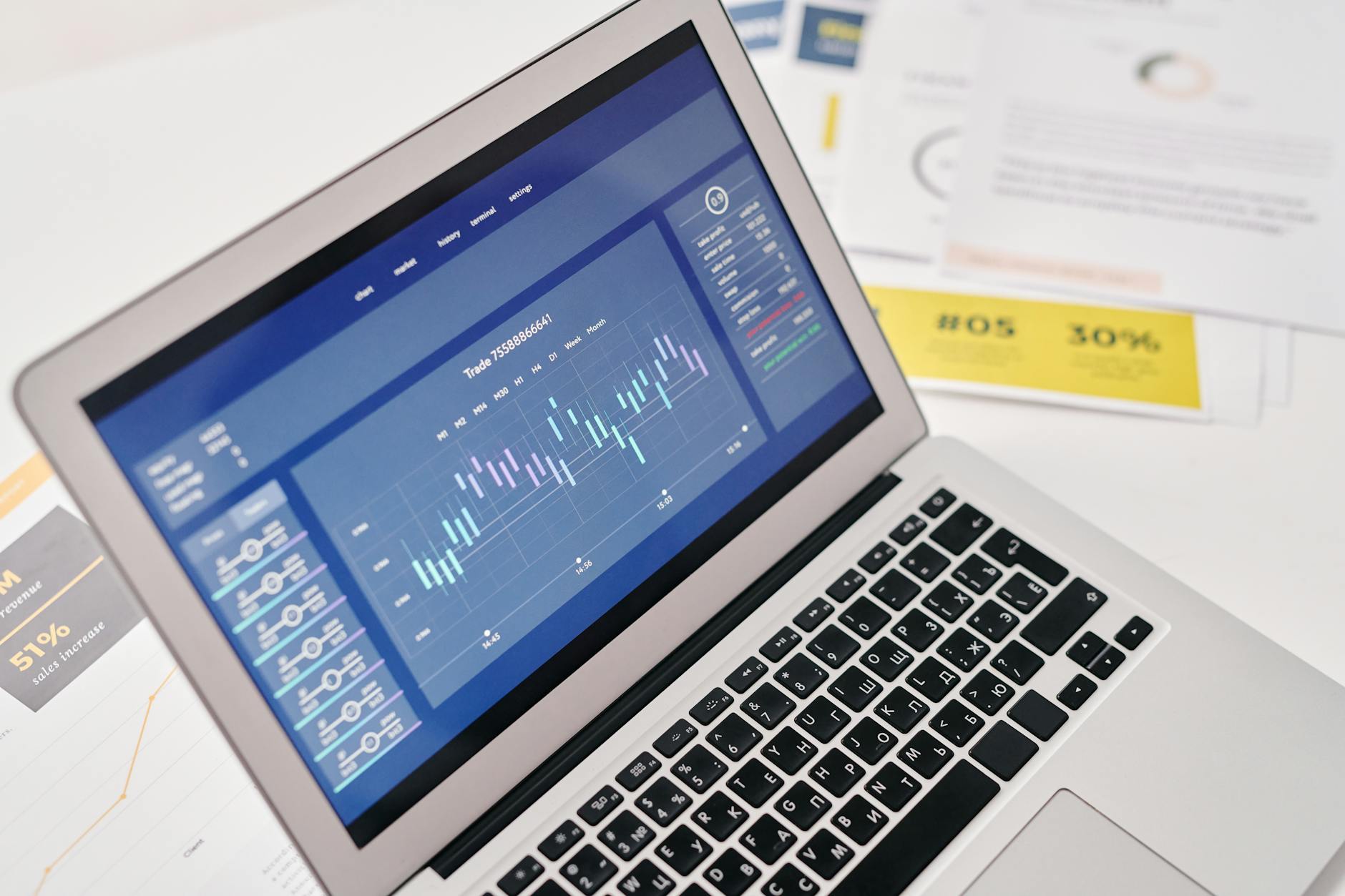
In my experience building and deploying AI sales systems at the company, the single biggest mistake leaders make is underestimating the scope of what a true AI sales agent can do. They think of it as a tool for sending more emails. In reality, a properly architected AI sales agent is a full-stack demand generation and qualification engine. It operates 24/7, learns from every interaction, and executes a hyper-personalized, multi-channel strategy that no human team could feasibly match at scale. This guide will cut through the hype and provide you with the authoritative, tactical knowledge you need to understand, evaluate, and implement AI sales agents to drive transformative revenue growth.
What is an AI Sales Agent?
📚
Definition
An AI sales agent is an autonomous software system powered by artificial intelligence—specifically machine learning (ML), natural language processing (NLP), and often generative AI—that is designed to perform sales-related tasks. These tasks range from initial prospecting and lead qualification to engaging in personalized conversations, booking meetings, and nurturing prospects through the sales funnel, all with minimal human intervention.
An AI sales agent is not a single piece of software but an integrated system. It typically combines several core technologies:
- Intent & Data Intelligence: It continuously scans data sources (like your website, CRM, and third-party intent platforms) to identify high-potential prospects showing buying signals.
- Conversational AI: Using NLP, it can understand human language, context, and sentiment, allowing it to conduct natural, two-way dialogues via chat, email, or even voice.
- Predictive Analytics & Lead Scoring: It assigns dynamic scores to leads based on their behavior, demographic data, and engagement level, prioritizing the hottest opportunities for human handoff.
- Workflow Automation: It executes complex, multi-step sequences (e.g., see a lead → research company → send personalized LinkedIn connection request + tailored email → follow up based on response).
The key differentiator from traditional sales automation is autonomy and learning. A basic automation tool follows a rigid script. A true AI sales agent analyzes responses, adapts its messaging, decides the next best action, and optimizes its strategy over time to improve conversion rates. For a deeper dive into the foundational technology, see our guide on Artificial Intelligence in Sales.
💡
Key Takeaway
An AI sales agent is an autonomous, learning system that executes personalized sales conversations and workflows at scale, acting as a force multiplier for your sales team rather than just a simple automation tool.
Why AI Sales Agents Matter in 2026
The business case for AI sales agents has moved from "interesting experiment" to "competitive necessity." The data is unequivocal. According to a 2025 Gartner report, by 2026, over 70% of B2B sales organizations will employ AI-powered sales assistants as a standard part of their tech stack, up from less than 30% in 2023. The drivers are clear: unprecedented efficiency, scale, and data-driven precision.
-
Eliminating Repetitive, Low-Value Work: Sales development representatives (SDRs) spend, on average, 60-70% of their time on non-revenue-generating activities: data entry, research, and writing initial outreach emails. An AI agent automates 80-90% of this grind, freeing human talent to focus on high-value activities like complex negotiations and relationship building. This directly impacts sales productivity tools and overall team morale.
-
Operating at Infinite Scale: A human SDR can effectively manage 50-100 active prospects at a time. An AI sales agent can simultaneously engage thousands, 24 hours a day, 365 days a year, across time zones. This allows businesses to attack larger total addressable markets (TAMs) and pursue long-tail opportunity segments that were previously economically unviable. This capability is central to modern automated lead generation strategies.
-
Hyper-Personalization at Scale: Using generative AI and deep data integration, AI agents can craft outreach that references a prospect's recent company news, their role-specific challenges, and content they've engaged with. A McKinsey study found that personalized outreach generates 5-8x the ROI on marketing spend and lifts sales by 10% or more. Humans simply cannot replicate this level of personalization across thousands of contacts.
-
Data-Driven Consistency and Coaching: Every interaction is recorded, analyzed, and measured. This creates a goldmine of data for sales forecasting AI and conversation intelligence. Managers can identify which messaging frameworks work best, coach reps on specific conversational nuances, and make strategic decisions based on aggregate prospect behavior, not gut feeling.
-
Shortening Sales Cycles: By instantly responding to inbound leads and proactively engaging with intent-based prospects, AI agents keep momentum high. They can qualify leads in real-time, answer common questions, and schedule meetings immediately, compressing the time from first touch to qualified meeting.
How an AI Sales Agent Works: The 5-Stage Architecture
Understanding the internal architecture demystifies the "magic" and helps you evaluate vendors. A robust AI sales agent operates in a continuous loop.
Stage 1: Prospecting & Intent Signal Capture
The agent doesn't wait for leads to come in; it goes out and finds them. It integrates with data providers and intent platforms (like Bombora, G2 Intent) to identify companies actively searching for solutions in your category. It also monitors your website for anonymous visitor behavior, using buyer intent signal detection to trigger engagement.
Stage 2: Data Enrichment & Prioritization
Once a target is identified, the agent enriches the lead profile with data from LinkedIn, company databases, and your CRM. It then uses a lead scoring AI model to assign a dynamic score. This model weighs factors like job title, company size, technology stack, and observed intent level to determine who gets contacted first and with what message.
Stage 3: Personalized Outreach Execution
This is where conversational AI shines. The agent selects the optimal channel (email, LinkedIn, SMS) and, using a generative AI engine, creates a unique, context-aware message. It’s not a template with merged fields; it’s a newly written message tailored to that specific prospect. For example, our system at the company generates hundreds of unique email variants daily, each tied to a specific prospect's digital footprint.
Stage 4: Conversational Engagement & Qualification
When a prospect replies, the NLP engine parses the response for intent, sentiment, and key questions. The agent then follows a sophisticated dialogue tree, answering questions, providing resources, and asking qualifying questions of its own. It can handle objections, schedule meetings directly into your calendar, or escalate complex conversations to a human rep.
Stage 5: CRM Integration & Continuous Learning
Every action and outcome is logged in your CRM AI system. This closed-loop data feed is critical. The machine learning models analyze what worked and what didn't—which subject lines got opens, which value propositions drove replies, which lead attributes correlated with closed-won deals. The system uses this to automatically optimize its own algorithms, creating a virtuous cycle of improvement. This is the core of a true revenue intelligence tool.
Types of AI Sales Agents
Not all AI sales agents are built for the same purpose. Choosing the right type is critical to your success.
| Type | Primary Function | Best For | Key Technology |
|---|---|---|---|
| Prospecting & Outreach Agents | Automating outbound sequences, cold email, LinkedIn outreach. | Sales teams needing to scale top-of-funnel activity. | Generative AI for copy, email/SMS APIs, sequence automation. |
| Inbound Engagement & Qualifiers | Engaging website visitors, qualifying chat leads, booking demos. | Companies with high website traffic or paid ad spend. | NLP chatbots, intent detection, calendar integration. |
| Deal Acceleration & Nurture Agents | Nurturing mid-funnel leads, answering post-demo questions, sharing relevant content. | Complex sales cycles requiring ongoing education. | Email nurture automation, content recommendation engines. |
| Full-Cycle Autonomous Agents | Managing the entire sales process from prospecting to closing for transactional products. | E-commerce, SaaS with low ACV, high-volume transactions. | End-to-end workflow automation, payment gateway integration. |
| AI Sales Intelligence Assistants | Augmenting human reps with call transcripts, battle cards, next-step suggestions. | Enterprise sales teams needing in-call support and coaching. | Conversation intelligence, real-time data surfacing. |
For most B2B organizations, a hybrid approach using a Prospecting Agent paired with an Inbound Qualifier delivers the fastest ROI. This creates a complete engine for both outbound and inbound sales pipeline automation. Specialized industries may benefit from tailored solutions, such as AI sales agents for SaaS companies.
Implementation Guide: Deploying Your First AI Sales Agent in 30 Days
A successful implementation is 20% technology and 80% strategy. Rushing in leads to wasted budget and poor results. Follow this phased approach.
Phase 1: Foundation & Goal Setting (Week 1)
- Audit Your Process: Map your current lead flow. Where are the bottlenecks? Is it lead volume, qualification speed, or nurture follow-up?
- Define Clear KPIs: What does success look like? Common metrics include: Meetings Booked, Lead Response Time (target: <5 minutes), Qualified Lead Volume, and ultimately, Influenced Revenue. Align these with your revenue operations AI goals.
- Prepare Your Data: Clean your CRM. Define your ideal customer profile (ICP) and buyer personas with crystal clarity. Garbage in = garbage out.
Phase 2: Technology Selection & Integration (Weeks 2-3)
- Build vs. Buy: For 99% of companies, buying a specialized platform is the correct choice. Building a robust AI sales agent requires a team of ML engineers, data scientists, and NLP specialists.
- Evaluation Criteria: Look beyond features. Assess: Data Integration (does it connect deeply to your CRM, marketing stack, and data sources?), Learning Capability (how does it improve over time?), Transparency (can you see why it makes decisions?), and Security & Compliance (SOC 2, GDPR).
- Integration Sprint: Work with your IT or RevOps team to connect the agent to your core systems. A deep CRM AI integration is non-negotiable for a seamless flow of data.
Phase 3: Campaign Design & Training (Week 4)
- Start Narrow, Then Expand: Don't launch to your entire ICP. Choose a single, well-defined segment (e.g., "Marketing Directors at SaaS companies 50-200 employees"). This allows for controlled testing and learning.
- Develop Messaging Frameworks: Provide the AI with your core value propositions, case studies, and objection handlers. The best systems, like the company, use this to generate unique variants, not just spit out static copy.
- Set Rules of Engagement: Define clear escalation paths. When should a lead be passed to a human? What constitutes a "hot" lead? Establish these guardrails upfront.
Phase 4: Launch, Monitor, and Optimize (Ongoing)
- Soft Launch: Run the campaign for a week with close monitoring. Review every generated message and response.
- Analyze & Tweak: Use the platform's analytics. Which subject lines worked? Which personas are responding? Adjust your targeting, messaging, and qualifying questions weekly.
- Scale Gradually: Once you achieve a positive ROI and stable performance in your initial segment, replicate the process for a new segment. This iterative scaling is the key to sustainable growth.
Pricing, ROI, and Total Cost of Ownership
The pricing model for AI sales agents is evolving. Be wary of simplistic per-user pricing, as the value is in output, not seats.
- Usage-Based Pricing: Common for outreach agents (cost per email sent/LinkedIn message). Can scale quickly with volume.
- Tiered Feature Pricing: Platforms charge based on features like data enrichment credits, level of AI autonomy, or number of integrations.
- Value-Based / Revenue Share: A newer, more aligned model where the vendor charges a percentage of the pipeline or revenue generated by the agent.
Calculating ROI:
The simplest formula: (Value of Generated Pipeline) - (Platform Cost + Operational Overhead).
- Example: An AI agent costs $2,500/month. It books 20 qualified meetings/month. Your historical show rate is 60%, and your average deal size is $10,000 with a 25% close rate.
- Pipeline Value: 20 meetings * 60% show rate = 12 demos. 12 demos * 25% close rate = 3 deals. 3 deals * $10,000 = $30,000 in new revenue/month.
- ROI: ($30,000 - $2,500) / $2,500 = 1,100% ROI.
The true TCO includes integration time, management overhead, and data costs. However, when compared to the fully-loaded cost of a human SDR (salary, benefits, tools, management), which can easily exceed $100,000 annually, the AI agent presents a staggering efficiency gain. It allows you to reallocate human capital to higher-value enterprise sales AI activities.
Real-World Examples and Case Studies
Case Study 1: Mid-Market SaaS Company (the company Deployment)
A B2B SaaS company selling developer tools was struggling with inbound lead qualification. Their two SDRs were overwhelmed, and response times averaged 48 hours, killing conversion. We deployed a the company AI agent as an inbound qualifier on their website and pricing page.
- Implementation: The agent was trained on technical documentation, common integration questions, and competitor comparisons. It was integrated with their Calendly and HubSpot.
- Process: The agent engaged visitors asking about pricing or features, answered technical questions, and offered to book a tailored technical demo with the appropriate engineer.
- Results (90 Days):
- Lead response time dropped from 48 hours to under 90 seconds.
- Meeting booking rate from inbound leads increased by 215%.
- The SDRs were freed to focus on outbound targeting into strategic accounts, increasing outbound-sourced pipeline by 40%.
- The AI agent handled over 1,200 conversations and booked 147 qualified demos autonomously.
Case Study 2: E-commerce Platform Scaling Outbound
A company offering Shopify-like platforms for niche industries needed to scale outbound but had no sales team. They used a prospecting AI agent.
- Implementation: The agent was fed a list of 50,000 small businesses in their target niches. It used generative AI to create personalized emails referencing the prospect's specific website and business model.
- Results: The agent sent 15,000 personalized emails over 3 months, generating a 12% reply rate and booking 95 discovery calls directly on the founder's calendar, building a pipeline from zero.
Case Study 3: Enterprise Tech Vendor Account Nurturing
A large cybersecurity vendor used an AI nurture agent to re-engage stale leads and contacts in their massive CRM database—a segment their human team never had time for.
- Results: The agent identified and re-activated 5% of the "dead" lead database, contributing to a $850,000 pipeline from previously written-off contacts.
Common Mistakes to Avoid When Implementing AI Sales Agents
- Treating It as a Set-and-Forget Tool: The biggest failure point. AI requires oversight, tuning, and strategy. You must regularly review performance, update messaging, and refine targeting. It's a co-pilot, not autopilot.
- Poor Data Foundation: Launching with a messy CRM and vague ICP guarantees failure. The AI will waste budget targeting the wrong people with the wrong message.
- Lack of Human-AI Handoff Protocol: Not defining when and how the AI passes a lead to a human creates leads falling through the cracks. The handoff must be seamless and context-rich.
- Ignoring Compliance (TCPA, GDPR, CASL): Sending automated messages without proper consent can lead to massive fines. Ensure your vendor and process are compliant.
- Unrealistic Expectations: An AI agent is not a silver bullet that will 10x revenue overnight. It is a powerful engine that, when fueled with the right strategy and data, produces consistent, scalable results over time. It excels at lead qualification AI and outreach, but complex enterprise deals still require the human touch.
Frequently Asked Questions
What's the difference between an AI sales agent and a sales chatbot?
A sales chatbot is typically a rules-based, reactive tool that answers FAQs on a website. An AI sales agent is proactive, multi-channel, and operates across the entire sales funnel. It uses machine learning to improve, executes outbound sequences, and makes decisions about who to contact and what to say next. A chatbot is a component; an AI sales agent is a strategic system.
Can an AI sales agent truly replace a human sales rep?
For transactional, low-complexity sales, yes, a full-cycle autonomous agent can replace the human function. For complex B2B sales, the goal is not replacement but augmentation. The AI agent handles the scalable, repetitive tasks of prospecting and initial qualification—the "grunt work"—freeing human reps to focus on building relationships, navigating complex procurement, and closing high-value deals. It's about elevating the human role, not eliminating it.
How do you ensure the AI's communication sounds human and not robotic?
Modern systems using large language models (LLMs) like GPT-4 are exceptionally good at generating natural, conversational language. The key is in the training and guidance. You provide the AI with brand voice guidelines, examples of high-performing human-written emails, and context about your customer. The best platforms then generate unique, varied messages that avoid repetition. Regular human review of the AI's output is also crucial for ongoing refinement.
Is my sales data safe with an AI platform?
Security should be a top criterion in vendor selection. You must choose a provider with enterprise-grade security certifications like SOC 2 Type II, GDPR compliance, and data encryption at rest and in transit. Reputable vendors act as data processors, meaning your data remains yours and is not used to train public models. Always review the vendor's security whitepaper and data processing agreement (DPA).
How long does it take to see a return on investment (ROI)?
The timeline varies based on your sales cycle. For inbound qualification or high-volume outbound, you can see measurable results (increased meetings, faster response times) within the first 30-60 days. For full pipeline contribution and revenue attribution, a 90-120 day window is standard to allow for the sales cycle to complete. A clear implementation plan accelerates time-to-value.
What are the limitations of current AI sales agent technology?
Current limitations include: difficulty handling highly complex, multi-threaded negotiations that require deep emotional intelligence; potential for "hallucinations" or factual inaccuracies if not properly grounded in your knowledge base; and challenges in interpreting very nuanced or sarcastic human communication. The technology is advancing rapidly, but these are areas where human oversight remains critical.
How do I measure the performance of my AI sales agent?
Track a combination of activity and outcome metrics: Output Metrics (Emails sent, Conversations started), Engagement Metrics (Reply Rates, Meeting Booked Rate), and Business Metrics (Qualified Leads Generated, Pipeline Influenced, Revenue Attributed). The platform should provide a detailed analytics dashboard. These metrics feed directly into your sales intelligence platform strategy.
Can I use an AI sales agent for cold calling?
While AI voice agents for cold calling exist, they are in a more nascent regulatory and acceptance stage compared to digital channels. The primary focus for most businesses in 2026 is on email, LinkedIn, SMS, and live chat. Voice AI is advancing but comes with stricter compliance considerations (TCPA) and prospect receptivity challenges.
Final Thoughts on AI Sales Agents
The transition to AI-augmented sales is not a future trend—it is the dominant reality of 2026. The question for business leaders is no longer if they should adopt an AI sales agent, but how and how quickly. The competitive advantage bestowed by this technology is too significant to ignore: the ability to engage every potential buyer with personalized intelligence at a scale that defies traditional economics.
The journey begins with a shift in mindset. Stop viewing AI as a mere tool for efficiency and start seeing it as a core component of your GTM strategy AI. It is the engine that can power predictable, scalable revenue growth by systematically dominating your niche—from broad top-of-funnel awareness to hyper-targeted conversion.
At the company, we've built our entire platform on this principle. We don't just offer an AI sales agent; we provide an autonomous demand generation engine that executes programmatic SEO and sales outreach as an integrated system. It identifies intent, creates targeted content, and engages prospects with context-aware conversations, all on autopilot. If you're ready to move beyond experimentation and deploy a strategic, results-driven AI sales force, the time to act is now.